Buy buitenlampen.eu ?
We are moving the project
buitenlampen.eu .
Are you interested in purchasing the domain
buitenlampen.eu ?
domain@kv-gmbh.de · 0541-91531010
Buy buitenlampen.eu ?
What is the fractionation method?
Fractionation is a separation process used in various industries to separate a mixture into its individual components based on their different boiling points. This method involves heating the mixture to a specific temperature, causing the components with lower boiling points to vaporize and rise to the top of the fractionating column, while the components with higher boiling points remain in liquid form. The vaporized components are then condensed back into liquid form and collected as separate fractions. This process allows for the isolation of pure components from a complex mixture. **
Is the fractionation method the same as the separation method?
The fractionation method is a type of separation method. Fractionation involves separating a mixture into its individual components based on their different physical or chemical properties, such as boiling point, solubility, or molecular size. This process results in the formation of fractions, which are the individual components of the mixture. Therefore, while fractionation is a type of separation method, not all separation methods involve fractionation. **

Similar search terms for Fractionation
Top-Angebote
Products related to Fractionation:
-
Inspire Curations 10 Pack Solar Gardens Lanterns Waterproof Outdoor Pathway Lights b 10packCreate a welcoming glow across your landscape with solar garden lights designed for effortless outdoor decorating. This 10piece set is ideal for lining walkways, lawns, flower beds, and garden borders without running electrical cables. Each lantern...115,50 $*Shipping: 0,00 $Secure redirect to the provider
-
Inspire Curations 10 Pack Solar Garden Lanterns Waterproof Outdoor Pathway Lights b 10packCreate a welcoming glow from your garden gate to your front door with these solar garden lights. This 10pack gives you an easy way to illuminate pathways, lawns, flower beds, and driveways while adding decorative character to your landscape. Solar...115,50 $*Shipping: 0,00 $Secure redirect to the provider
-
Inspire Curations 10 Pack Solar Garden Lanterns Waterproof Outdoor Pathway Lights a 10packCreate a welcoming glow from your garden gate to your front door with these solar garden lights. This 10pack gives you an easy way to illuminate pathways, lawns, flower beds, and driveways while adding decorative character to your landscape. Solar...115,50 $*Shipping: 0,00 $Secure redirect to the provider
-
Inspire Curations 10 Pack Solar Gardens Lanterns Waterproof Outdoor Pathway Lights e 10packCreate a welcoming glow across your landscape with solar garden lights designed for effortless outdoor decorating. This 10piece set is ideal for lining walkways, lawns, flower beds, and garden borders without running electrical cables. Each lantern...125,50 $*Shipping: 0,00 $Secure redirect to the provider

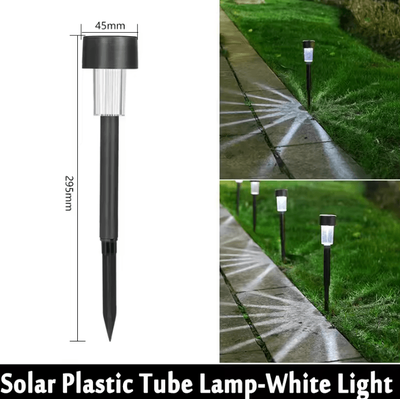
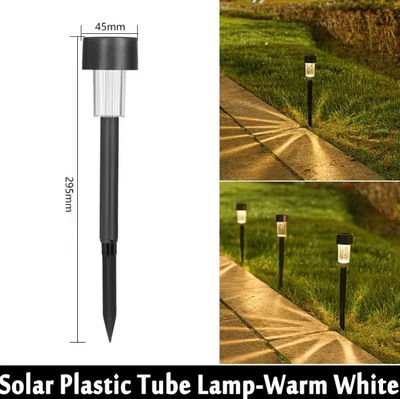
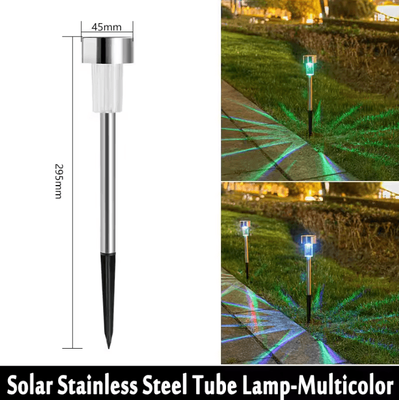
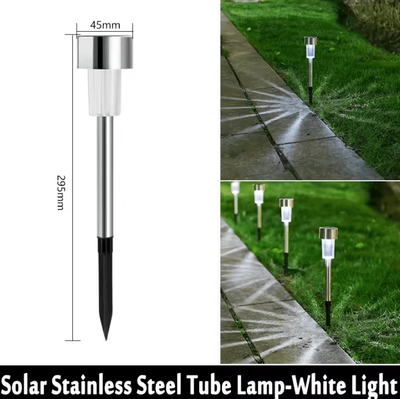
-
Can you please help me with the isolation and fractionation of chloroplasts for photosynthesis?
Sure! Isolating and fractionating chloroplasts for photosynthesis involves several steps. First, you would need to extract chloroplasts from plant tissue using a buffer solution and a homogenizer. Then, you can use differential centrifugation to separate the chloroplasts from other cellular components based on their size and density. After that, you can use a sucrose density gradient to further purify and fractionate the chloroplasts based on their buoyant density. Finally, you can collect the chloroplast fractions and use them for studying photosynthesis. Keep in mind that this process requires careful handling and precise techniques to ensure the purity and functionality of the isolated chloroplasts. **
-
Can someone tell me the steps of cell fractionation by density gradient centrifugation with explanation?
Cell fractionation by density gradient centrifugation involves several steps: 1. Homogenization: The first step is to break open the cells and release their contents. This is typically done using a homogenizer or sonicator to disrupt the cell membranes. 2. Centrifugation: The homogenized cell suspension is then centrifuged at a low speed to remove large debris and unbroken cells. This step separates the homogenate into different fractions based on size and density. 3. Density gradient formation: A density gradient solution, such as sucrose or cesium chloride, is prepared and layered in a centrifuge tube. The gradient is formed by layering solutions of increasing density from the bottom to the top of the tube. 4. Centrifugation: The cell homogenate is then layered on top of the density gradient and centrifuged at high speeds. During centrifugation, the different cellular components separate based on their density and form distinct bands within the gradient. **
-
Can someone provide me with the steps of cell fractionation by density gradient centrifugation with explanation?
Cell fractionation by density gradient centrifugation involves separating cellular components based on their density. The steps are as follows: 1. Homogenize the cells to break them open and release their contents. 2. Centrifuge the homogenate at low speed to remove large debris and nuclei. 3. Layer the supernatant on top of a density gradient medium in a centrifuge tube. 4. Centrifuge the tube at high speed, causing cellular components to separate based on their density, with heavier components sinking to the bottom and lighter components staying towards the top. 5. Collect the fractions at different density levels and analyze them to isolate specific cellular components. This method allows for the separation of organelles and other cellular components based on their density, providing researchers with purified fractions for further analysis. **
-
How do you connect the outdoor lighting?
To connect outdoor lighting, you will first need to plan the layout and design of your lighting system. Next, you will need to run electrical wiring from a power source to each light fixture, making sure to bury the wiring at the appropriate depth and use waterproof connectors. Once the wiring is in place, you can then connect each light fixture to the wiring, following the manufacturer's instructions for installation. Finally, you will need to test the system to ensure that all the lights are working properly and make any necessary adjustments. It's important to follow all local building codes and safety guidelines when connecting outdoor lighting. **

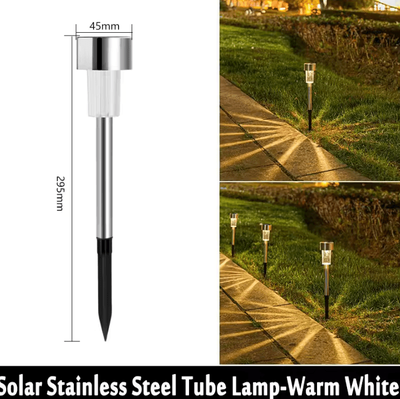
How does a timer for outdoor lighting work?
A timer for outdoor lighting works by allowing you to set specific times for your outdoor lights to turn on and off automatically. You can program the timer to turn the lights on at dusk and off at dawn, or set a custom schedule based on your preferences. The timer is typically connected to the outdoor lighting system and controls the flow of electricity to the lights based on the programmed schedule. This helps save energy and ensures that your outdoor lights are only on when needed. **
Why is the outdoor lighting not working anymore?
The outdoor lighting may not be working anymore due to a variety of reasons such as a blown fuse, a tripped circuit breaker, a faulty light bulb, or a problem with the wiring. It is also possible that there is an issue with the timer or the light sensor. It would be best to check each component systematically to identify and address the specific cause of the malfunction. **
Top-Angebote
Products related to Fractionation:
-
Inspire Curations 10 Pack Solar Gardens Lanterns Waterproof Outdoor Pathway Lights d 10packCreate a welcoming glow across your landscape with solar garden lights designed for effortless outdoor decorating. This 10piece set is ideal for lining walkways, lawns, flower beds, and garden borders without running electrical cables. Each lantern...123,00 $*Shipping: 0,00 $Secure redirect to the provider
-
Inspire Curations 10 Pack Solar Garden Lanterns Waterproof Outdoor Pathway Lights d 10packCreate a welcoming glow from your garden gate to your front door with these solar garden lights. This 10pack gives you an easy way to illuminate pathways, lawns, flower beds, and driveways while adding decorative character to your landscape. Solar...120,50 $*Shipping: 0,00 $Secure redirect to the provider
-
Inspire Curations 10 Pack Solar Gardens Lanterns Waterproof Outdoor Pathway Lights b 10packCreate a welcoming glow across your landscape with solar garden lights designed for effortless outdoor decorating. This 10piece set is ideal for lining walkways, lawns, flower beds, and garden borders without running electrical cables. Each lantern...115,50 $*Shipping: 0,00 $Secure redirect to the provider
-
Inspire Curations 10 Pack Solar Garden Lanterns Waterproof Outdoor Pathway Lights b 10packCreate a welcoming glow from your garden gate to your front door with these solar garden lights. This 10pack gives you an easy way to illuminate pathways, lawns, flower beds, and driveways while adding decorative character to your landscape. Solar...115,50 $*Shipping: 0,00 $Secure redirect to the provider
-
What is the fractionation method?
Fractionation is a separation process used in various industries to separate a mixture into its individual components based on their different boiling points. This method involves heating the mixture to a specific temperature, causing the components with lower boiling points to vaporize and rise to the top of the fractionating column, while the components with higher boiling points remain in liquid form. The vaporized components are then condensed back into liquid form and collected as separate fractions. This process allows for the isolation of pure components from a complex mixture. **
-
Is the fractionation method the same as the separation method?
The fractionation method is a type of separation method. Fractionation involves separating a mixture into its individual components based on their different physical or chemical properties, such as boiling point, solubility, or molecular size. This process results in the formation of fractions, which are the individual components of the mixture. Therefore, while fractionation is a type of separation method, not all separation methods involve fractionation. **
-
Can you please help me with the isolation and fractionation of chloroplasts for photosynthesis?
Sure! Isolating and fractionating chloroplasts for photosynthesis involves several steps. First, you would need to extract chloroplasts from plant tissue using a buffer solution and a homogenizer. Then, you can use differential centrifugation to separate the chloroplasts from other cellular components based on their size and density. After that, you can use a sucrose density gradient to further purify and fractionate the chloroplasts based on their buoyant density. Finally, you can collect the chloroplast fractions and use them for studying photosynthesis. Keep in mind that this process requires careful handling and precise techniques to ensure the purity and functionality of the isolated chloroplasts. **
-
Can someone tell me the steps of cell fractionation by density gradient centrifugation with explanation?
Cell fractionation by density gradient centrifugation involves several steps: 1. Homogenization: The first step is to break open the cells and release their contents. This is typically done using a homogenizer or sonicator to disrupt the cell membranes. 2. Centrifugation: The homogenized cell suspension is then centrifuged at a low speed to remove large debris and unbroken cells. This step separates the homogenate into different fractions based on size and density. 3. Density gradient formation: A density gradient solution, such as sucrose or cesium chloride, is prepared and layered in a centrifuge tube. The gradient is formed by layering solutions of increasing density from the bottom to the top of the tube. 4. Centrifugation: The cell homogenate is then layered on top of the density gradient and centrifuged at high speeds. During centrifugation, the different cellular components separate based on their density and form distinct bands within the gradient. **
Similar search terms for Fractionation
-
Inspire Curations 10 Pack Solar Garden Lanterns Waterproof Outdoor Pathway Lights a 10packCreate a welcoming glow from your garden gate to your front door with these solar garden lights. This 10pack gives you an easy way to illuminate pathways, lawns, flower beds, and driveways while adding decorative character to your landscape. Solar...115,50 $*Shipping: 0,00 $Secure redirect to the provider
-
Inspire Curations 10 Pack Solar Gardens Lanterns Waterproof Outdoor Pathway Lights e 10packCreate a welcoming glow across your landscape with solar garden lights designed for effortless outdoor decorating. This 10piece set is ideal for lining walkways, lawns, flower beds, and garden borders without running electrical cables. Each lantern...125,50 $*Shipping: 0,00 $Secure redirect to the provider
-
Inspire Curations 10 Pack Solar Garden Lanterns Waterproof Outdoor Pathway Lights c 10packCreate a welcoming glow from your garden gate to your front door with these solar garden lights. This 10pack gives you an easy way to illuminate pathways, lawns, flower beds, and driveways while adding decorative character to your landscape. Solar...120,50 $*Shipping: 0,00 $Secure redirect to the provider
-
Inspire Curations 10 Pack Solar Gardens Lanterns Waterproof Outdoor Pathway Lights c 10packCreate a welcoming glow across your landscape with solar garden lights designed for effortless outdoor decorating. This 10piece set is ideal for lining walkways, lawns, flower beds, and garden borders without running electrical cables. Each lantern...123,00 $*Shipping: 0,00 $Secure redirect to the provider
-
Can someone provide me with the steps of cell fractionation by density gradient centrifugation with explanation?
Cell fractionation by density gradient centrifugation involves separating cellular components based on their density. The steps are as follows: 1. Homogenize the cells to break them open and release their contents. 2. Centrifuge the homogenate at low speed to remove large debris and nuclei. 3. Layer the supernatant on top of a density gradient medium in a centrifuge tube. 4. Centrifuge the tube at high speed, causing cellular components to separate based on their density, with heavier components sinking to the bottom and lighter components staying towards the top. 5. Collect the fractions at different density levels and analyze them to isolate specific cellular components. This method allows for the separation of organelles and other cellular components based on their density, providing researchers with purified fractions for further analysis. **
-
How do you connect the outdoor lighting?
To connect outdoor lighting, you will first need to plan the layout and design of your lighting system. Next, you will need to run electrical wiring from a power source to each light fixture, making sure to bury the wiring at the appropriate depth and use waterproof connectors. Once the wiring is in place, you can then connect each light fixture to the wiring, following the manufacturer's instructions for installation. Finally, you will need to test the system to ensure that all the lights are working properly and make any necessary adjustments. It's important to follow all local building codes and safety guidelines when connecting outdoor lighting. **
-
How does a timer for outdoor lighting work?
A timer for outdoor lighting works by allowing you to set specific times for your outdoor lights to turn on and off automatically. You can program the timer to turn the lights on at dusk and off at dawn, or set a custom schedule based on your preferences. The timer is typically connected to the outdoor lighting system and controls the flow of electricity to the lights based on the programmed schedule. This helps save energy and ensures that your outdoor lights are only on when needed. **
-
Why is the outdoor lighting not working anymore?
The outdoor lighting may not be working anymore due to a variety of reasons such as a blown fuse, a tripped circuit breaker, a faulty light bulb, or a problem with the wiring. It is also possible that there is an issue with the timer or the light sensor. It would be best to check each component systematically to identify and address the specific cause of the malfunction. **
* All prices are inclusive of VAT and, if applicable, plus shipping costs. The offer information is based on the details provided by the respective shop and is updated through automated processes. Real-time updates do not occur, so deviations can occur in individual cases. ** Note: Parts of this content were created by AI.